Lunch is never just lunch: a Meals on Wheels route, from 21 homes to 8
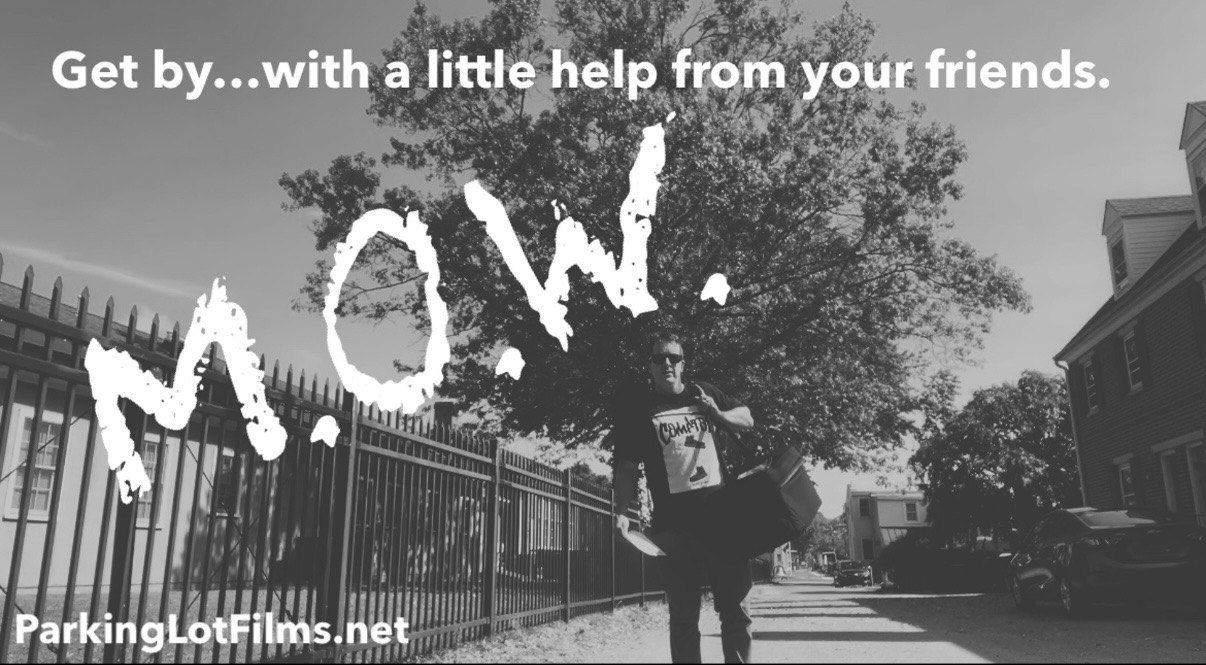
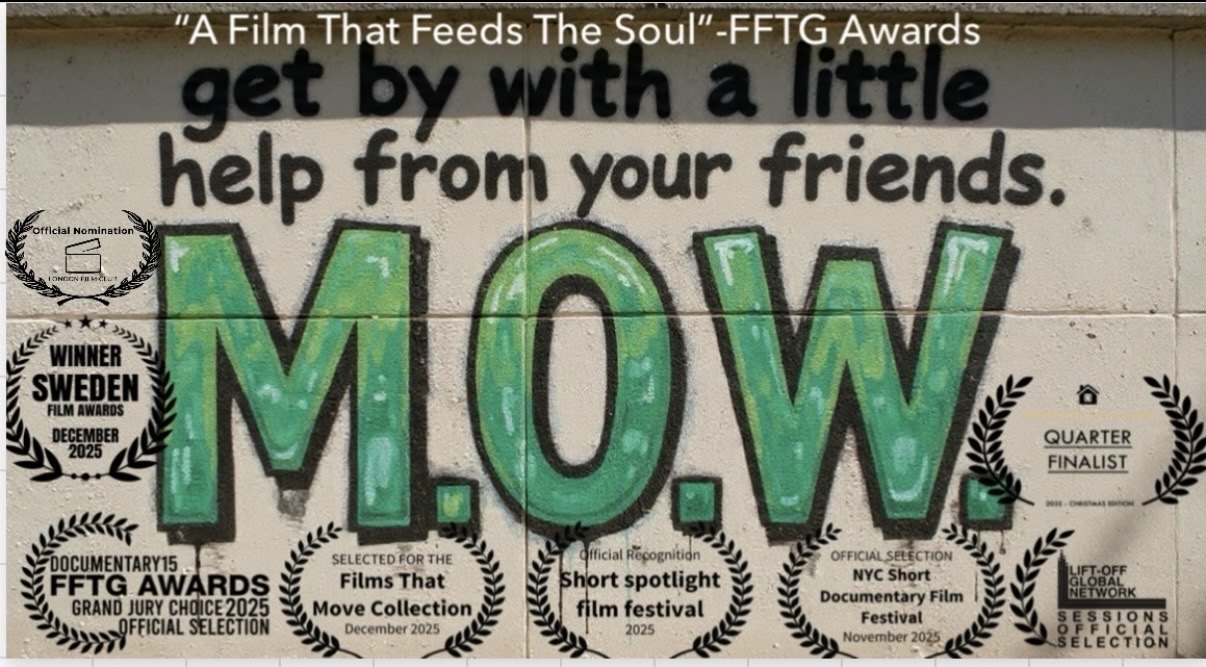
On paper, Meals on Wheels is a delivery service: a hot meal brought to the door of someone who cannot leave home. On the route, it is something else. Filmmaker Tim Carr, who volunteers as a driver, spent a season filming his deliveries for M.O.W., a nine-minute documentary that is a Finalist for Best Documentary Short Film at LIMPA (London International Motion Picture Awards) 2026. What he found is that lunch is never just lunch.
A check-in disguised as a meal
Over time, volunteers meet their clients’ families and caregivers and learn about their lives. Each stop is also a quiet check: is this person eating, are they responsive, is someone looking in on them? For people who live alone or depend on others because of physical limitations, the knock on the door may be the only visit of the day. Carr says he could make a three-hour film about those connections alone.
“It’s never ‘here’s lunch, see ya next time’.”

The conductor of the orchestra
The infrastructure behind those visits is mostly invisible. In Carr’s film, it has a name: Crystal, the program coordinator, who prepares the meals, assigns the routes and, when someone needs more food than planned, finds a way. Carr insists that she, not he, is the real protagonist, and audiences seem to agree: at screenings, he says, Crystal has gathered “a ton of fans”.
From 21 homes to 8
The film was meant to be light and celebratory. Then, during filming, the program’s funding was cut, and the story changed in real time. Funding has since resumed, but not fully back to normal: Carr’s route went from about 21 homes to 8. Some of the regular stops are gone for ordinary reasons, people move, health changes, but the shrinking list is also a measure of how fragile this kind of community support can be when it depends on political decisions.
One recent stop stays with him: a client waiting in her wheelchair for public transportation to take her to physical therapy. They talked for a few minutes, and he remembers it as good company. The thought that people like her might go without a meal because elected officials are fighting each other, he says, keeps him awake. That is why a friendly “day in the life” turned into a film that he believes more people need to see.
Still showing up
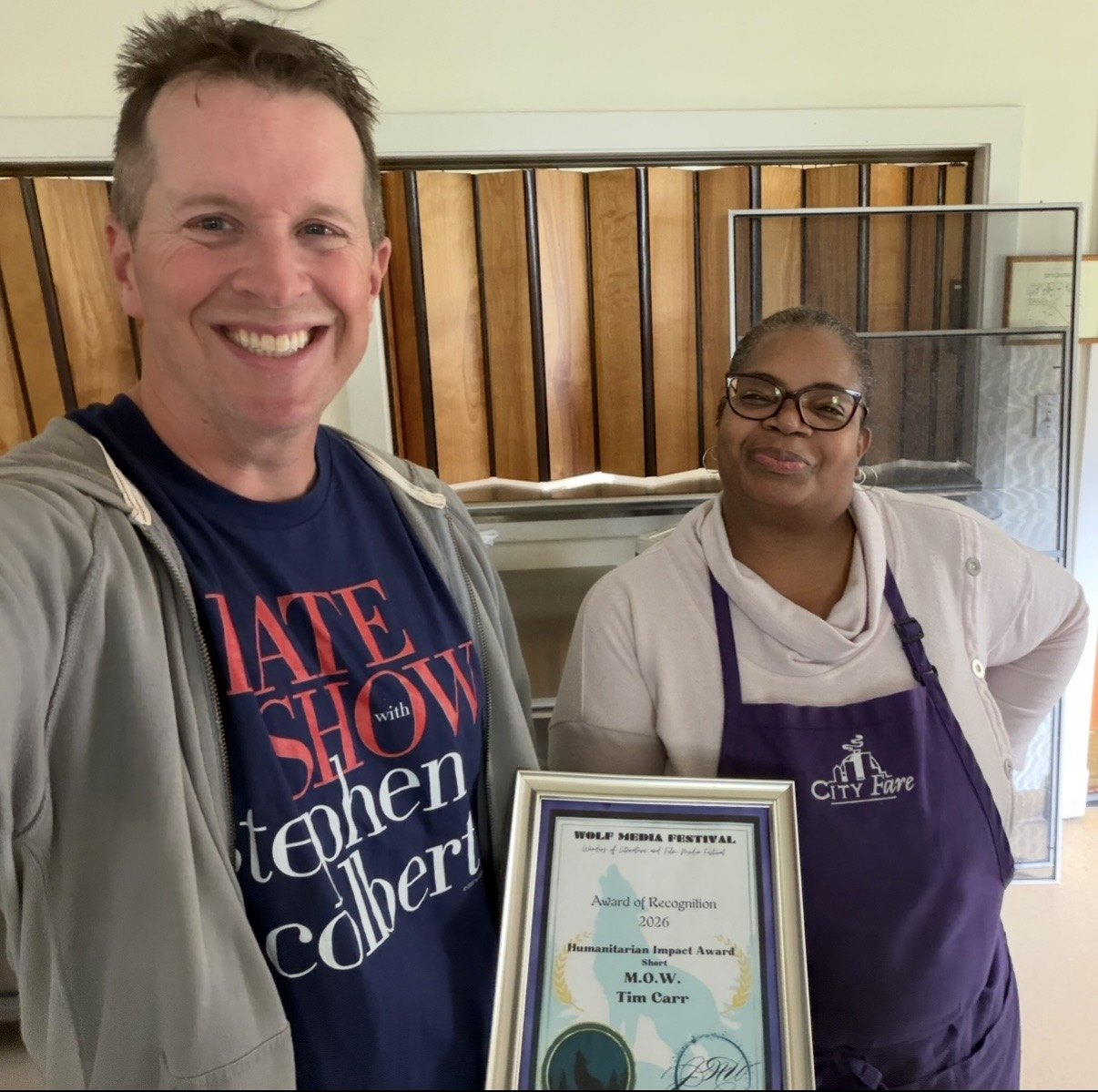
Through the cuts and the uncertainty, the routine has not stopped. Carr still shows up, Crystal still shows up, the volunteers still show up. The goal, in his words, is to get food to people who need it in any way they can, for as long as they can. After almost a year on the festival circuit and a Humanitarian Impact Award from the Wolf Media Festival, M.O.W. is now streaming, and Carr hopes it will push viewers to get involved in something they care about.