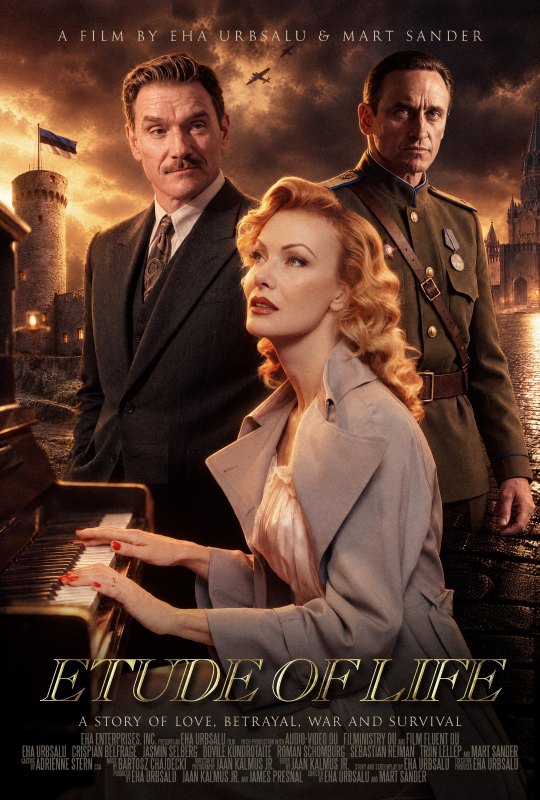
Estonia, 1944: love, occupation and a Chopin étude in Eha Urbsalu’s Etude of Life
In 1924, Estonia had been independent for six years. By 1944, it had been occupied by the Soviet Union, then by Nazi Germany, and the Red Army was coming back. Between those two dates lies the story of Etude of Life, the first feature film by Estonian-born director Eha Urbsalu, which is a Finalist at LIMPA 2026, the London International Motion Pictures Awards.
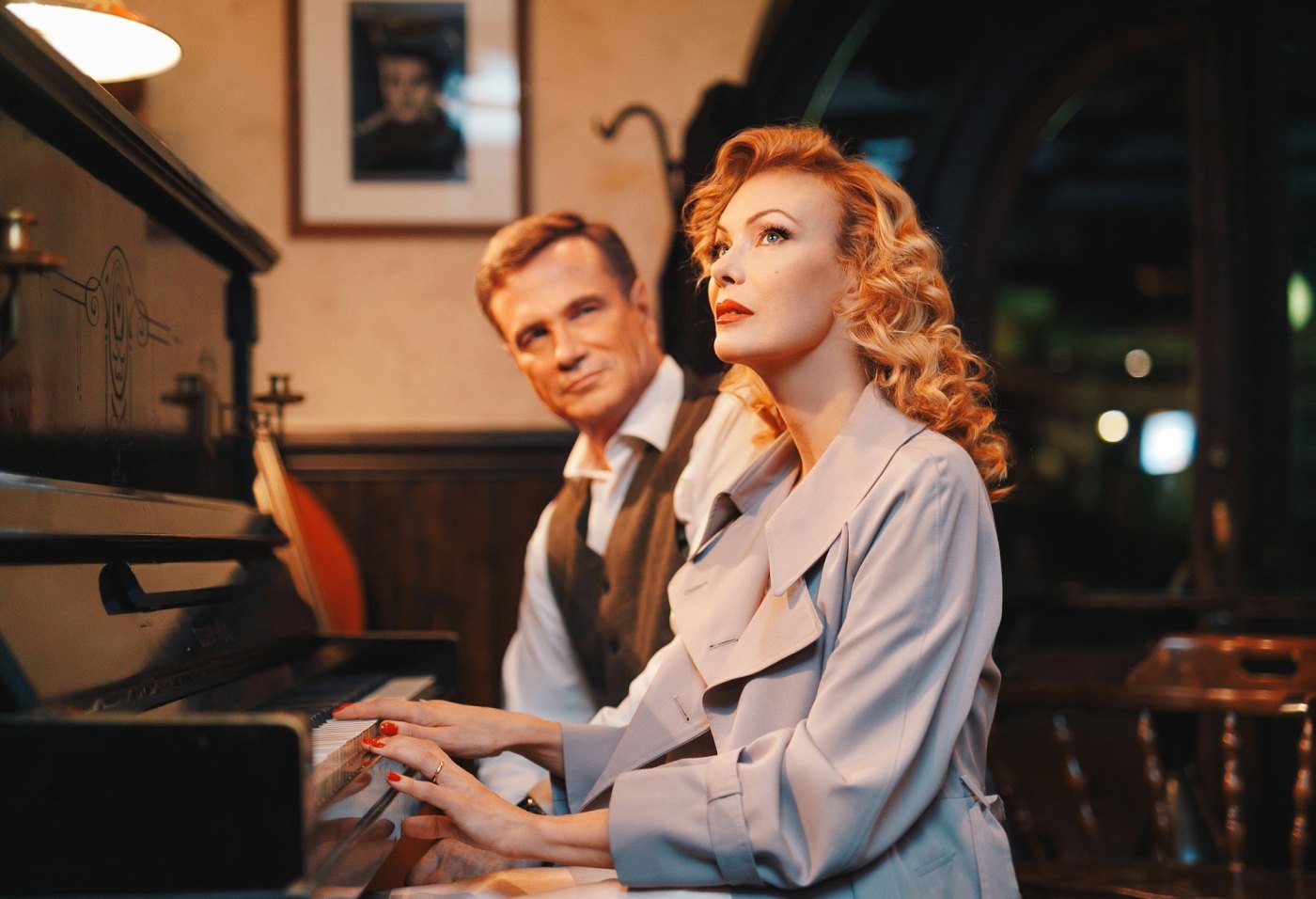
One family, two eras
The film opens in post-Soviet Estonia, where a young man, Paul, finds his grandmother Elsa’s diary. In the 1920s, Elsa leaves her island and her Communist lover, Vaino, to marry the artist Markus Müller in Tallinn. Twenty years later her marriage hides dangerous secrets, she falls into a perilous love with a German officer, and when the incoming Soviet Army arrests her daughter Marta, the only person who can help is Vaino, now a Communist officer with power over the girl’s fate.
Urbsalu wanted audiences who know little about Estonia to feel close to one household there.
“Under occupation, decisions made far away could alter the life of a household overnight. And still there would be a child who needed comforting, someone you were waiting to hear from, a meal to find a way to make.”
Love across political lines
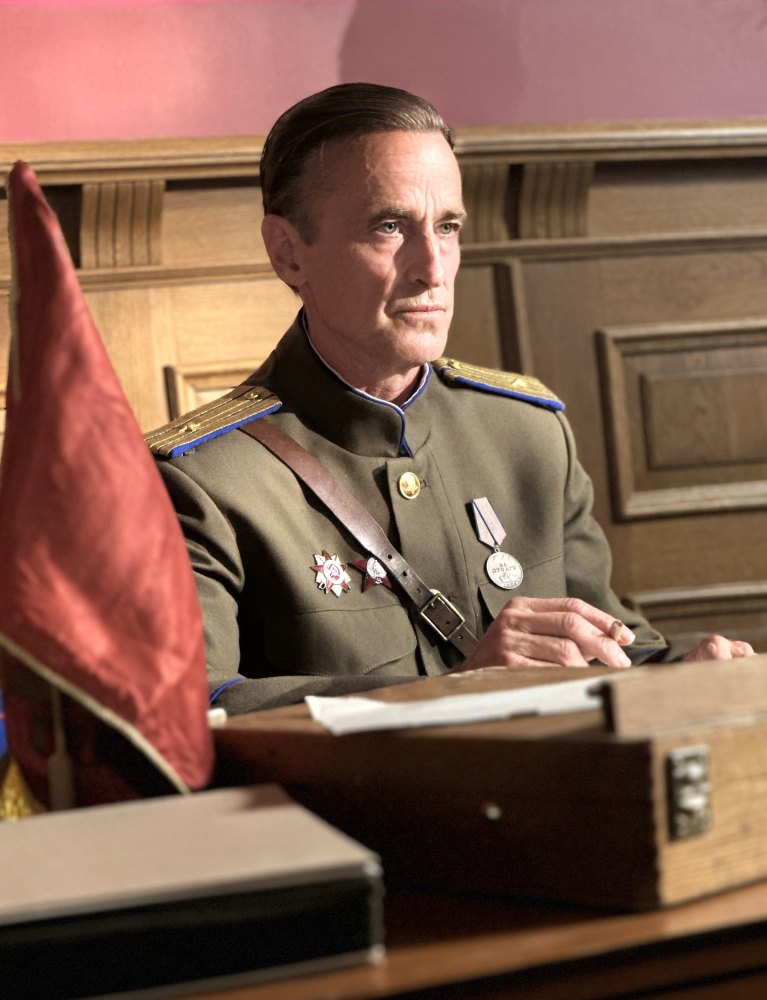
British actor Crispian Belfrage plays Vaino, the man who carries the film’s central moral dilemma: what happens when the woman you once loved comes back twenty years later and asks you to save her child? For Elsa, the question is the distance between what she knows of a person in private and what she knows of the choices that person makes in the world.
“Both kinds of knowledge are real. A moment of tenderness can stay with you long after you’ve had reason to doubt the person who gave it to you.”
Chopin’s Étude in A-flat
The title comes from the music. Chopin’s Étude in A-flat major, played by the German officer, becomes the soundtrack of Elsa’s undoing. Urbsalu, who studied for eleven years at a music and film school in Tallinn, gave the scene time and silence rather than words.
“Years later a few notes can bring us back to the room where we first heard them and to the person who was there with us.”
The original score is by Polish composer Bartosz Chajdecki, with Finnish composer Johanna Telander writing a gentler, folk-inflected sound for the 1924 chapters.
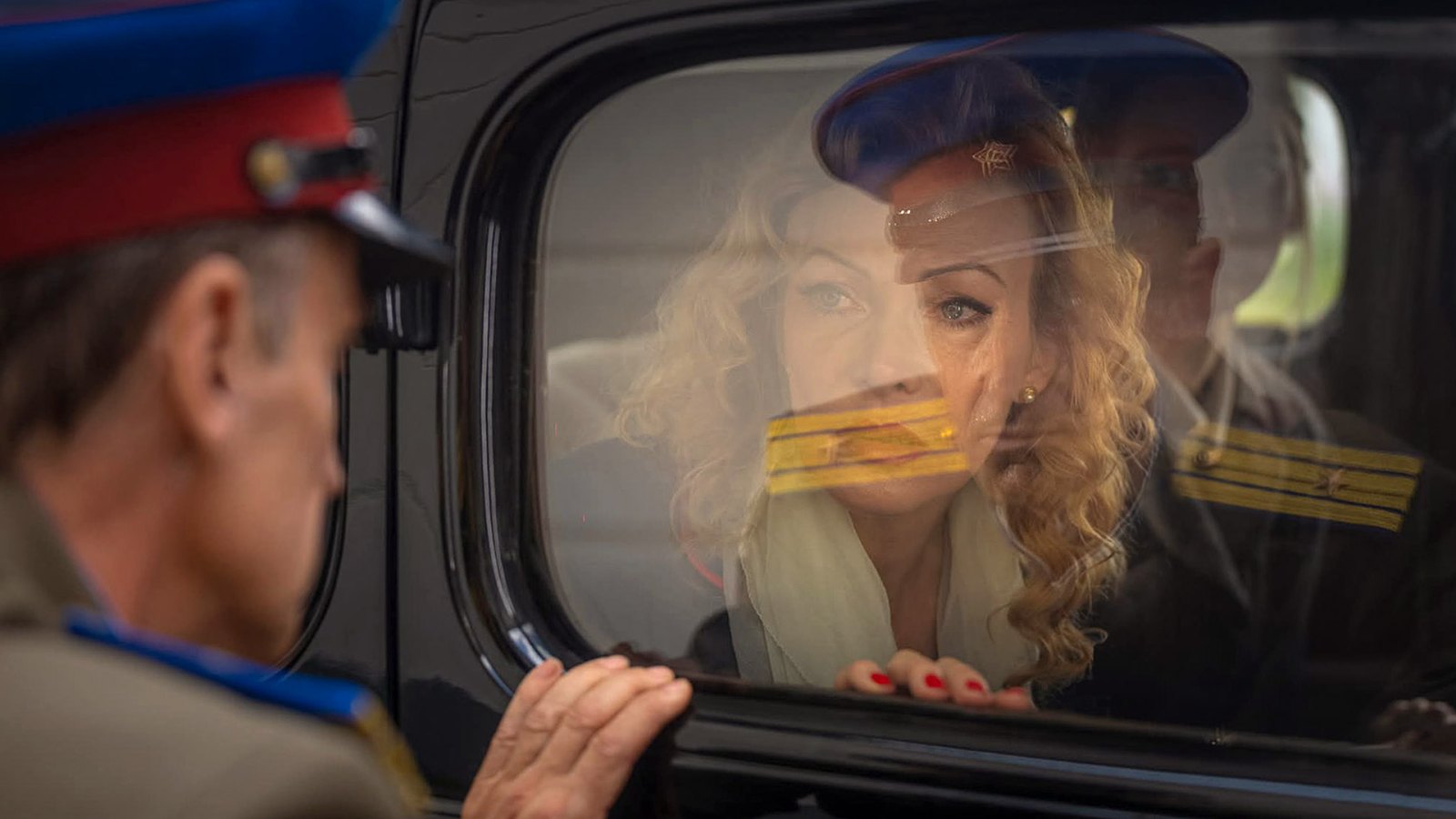
A war film that is not about war
The story comes from the director’s mother, now 95, who grew up on the island of Hiiumaa and lived through the war as a young girl. In her director’s statement, Urbsalu explains why she chose to focus on one woman rather than on battles:
“These films often celebrate heroism and greatness while overlooking the sufferings of ordinary people. The more we empathize with these individuals, the more we oppose war.”
It is a lesson she thinks is still current. “You can read about a great many families losing their homes and still find it hard to imagine having to leave your own,” she says. A film can let you spend an evening with one of them.
This year’s winners will be announced at the awards ceremony on Saturday, November 21, at 7:30 PM, at OPERA America – National Opera Center in Manhattan (330 Seventh Avenue), an evening LIMPA shares this year with NYC Films Infest and Aphrodite Film Awards.