Throwing David out of the film: Paula Markovitch on friendship and death in Ángeles
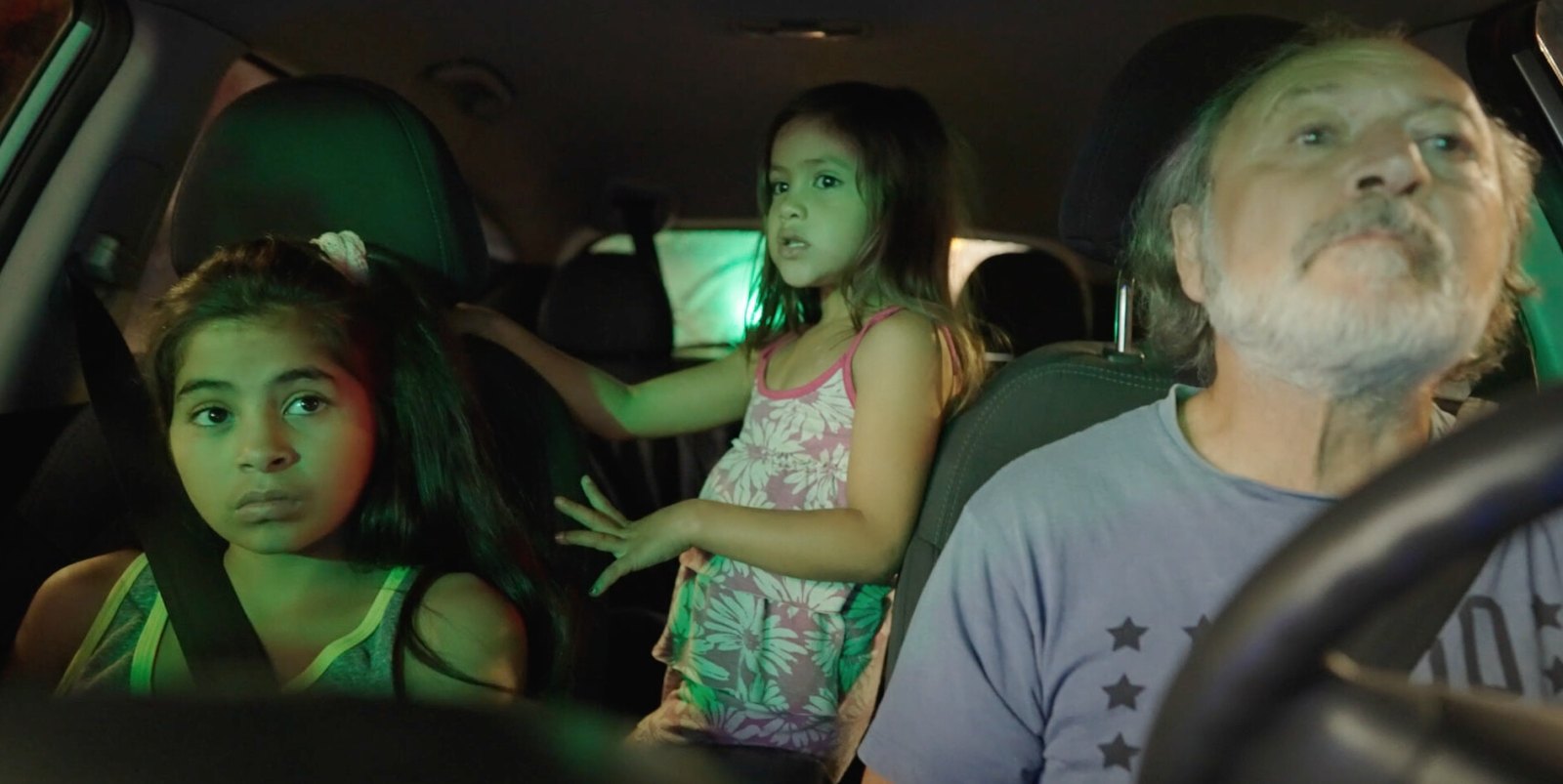
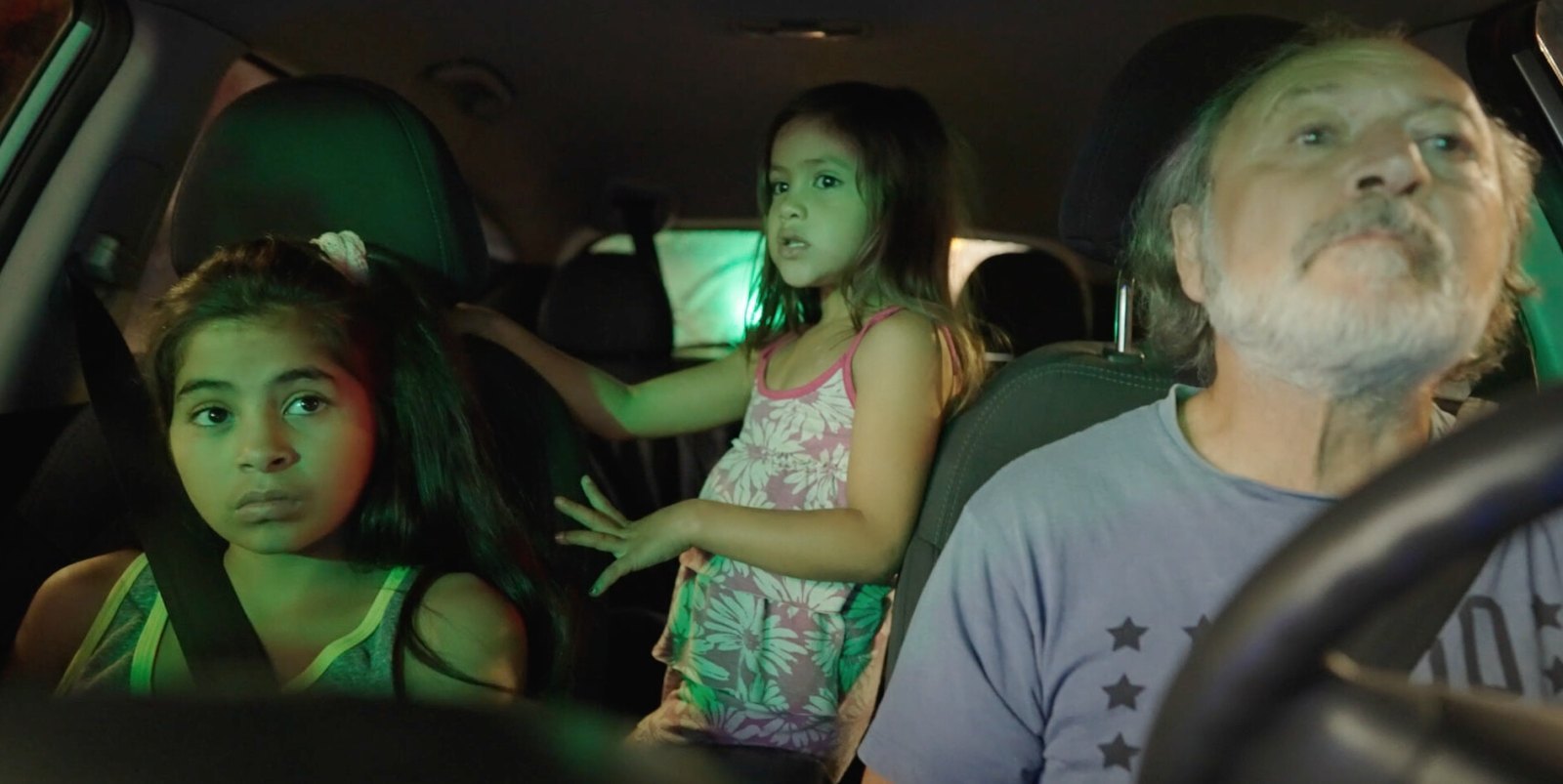
Most films would have the girl talk him out of it. In Ángeles, the feature by Paula Markovitch that is a Finalist for Best Fiction Feature Film at the 2026 edition of NYC Films Infest, something else happens. Ángeles, fourteen, sells candy on the street; David, in his fifties, works in a parking lot. They talk and enjoy the breeze in parked cars until one afternoon he tells her he wants to end his life. Instead of dissuading him, she decides to help.
A selfish melancholy
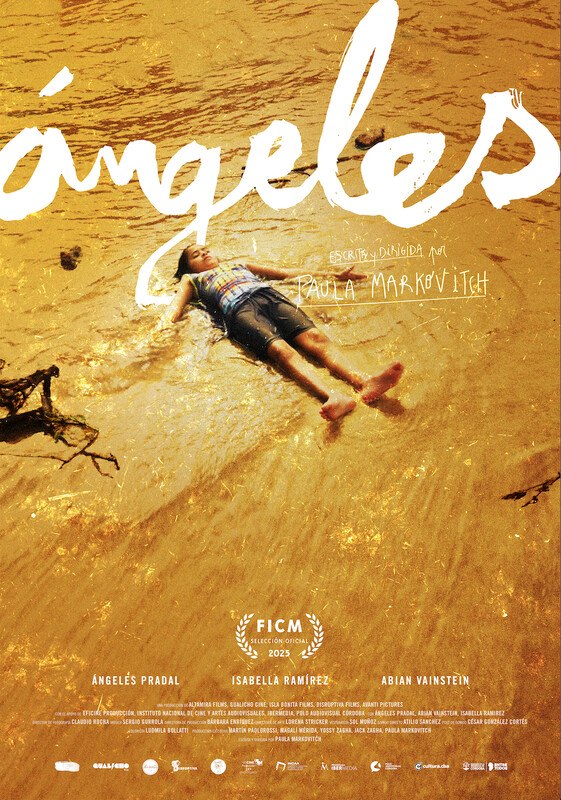
Markovitch, born in Buenos Aires and based in Mexico, does not see it as a story of rescue. “Ángeles is loving and irreverent. She loves David. But his sadness is unbearable,” she explains. David’s melancholy, in her reading, is a little selfish: he puts himself at the centre of the story, with his frustration and his anguish, wrapped up in his own legend.
“Ángeles pushes him because he asked her to. But also because she wants to kill… And also because, by pressing on his back, she takes him out of the story. She throws him out of the film…”
Characters who refuse pity
The scene belongs to a search that runs through her films, from El premio to Cuadros en la oscuridad: characters “who don’t let themselves be pitied”, beings “not defined by their circumstances”, and encounters in which “souls collide like planets in space”, after which we are sometimes thrown off in another direction.
While creating the film, Markovitch wrote texts in the girl’s own voice. One of them is addressed to David: “You I do love, and I don’t even know why… I can tell you’re sad, scared, you’re afraid of the dark and of the sunlight too. You’re afraid of me. I love you just because.”
Invincible in pain
In her director’s statement, Markovitch is direct about what she was after:
“I believe that the certainty of death grants us fulfillment.”
Ángeles, Isabela and David spend three days together. They say goodbye, “and pain renders them invincible”. They are marginalized beings, she writes, but the environment “affects them, permeates them, but does not define them”. And she adds a line that could sum up the film: “death and love are democratic. There is passion everywhere, and we all die.”


