Forgetting the women: James Mansell on Jack the Ripper and our appetite for true crime
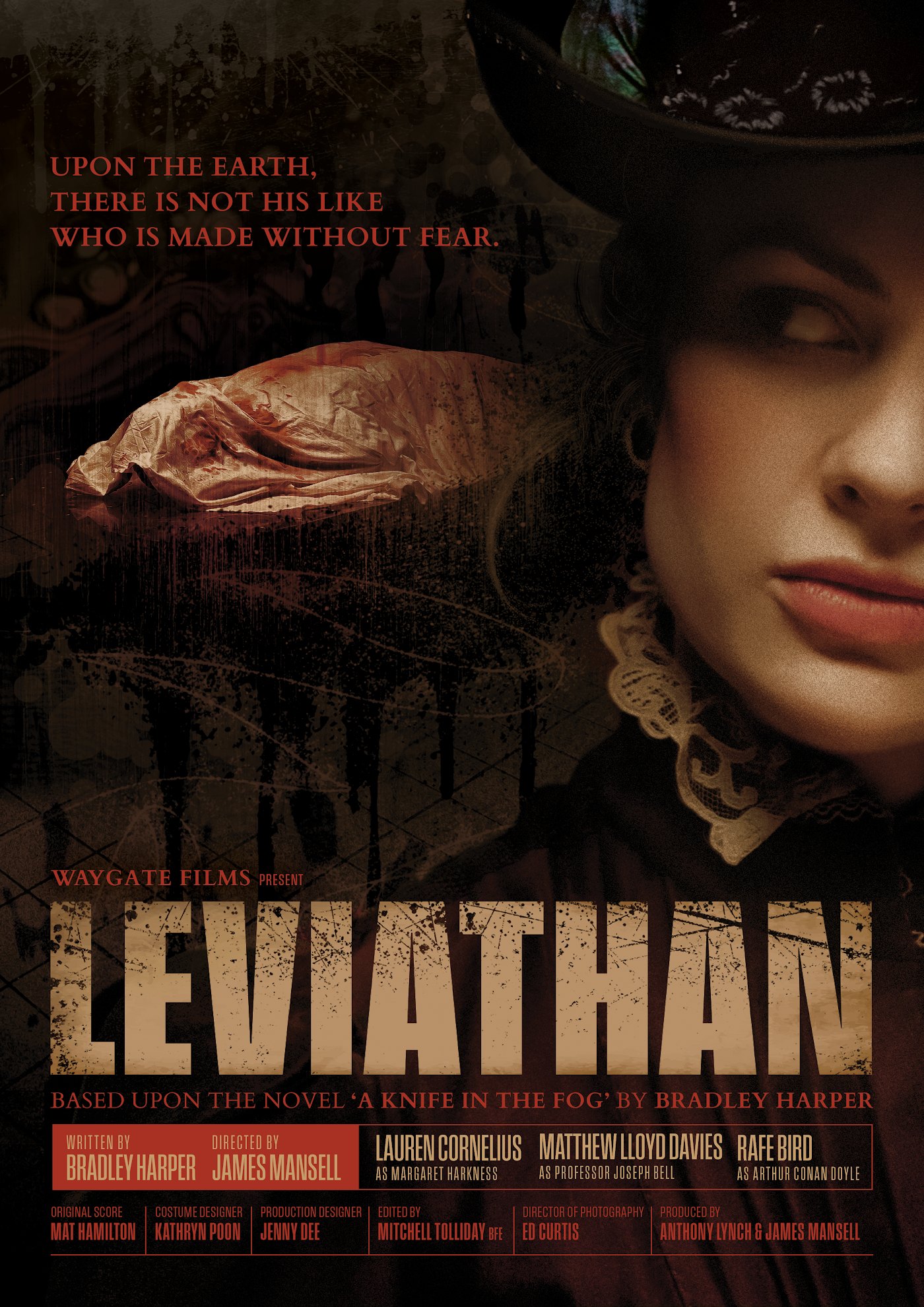
We have told the story of Jack the Ripper so many times, and so sensationally, that it has almost become fiction. That is the starting point of British director James Mansell, whose short LEVIATHAN, a Finalist for Best Fiction Short Film at LIMPA 2026, returns to Whitechapel in 1888 with a different question in mind: what happened to the women?
True crime, then and now
“It’s very easy to get wrapped up in the mystery and drama of the case and forget that these were real women who were forgotten by society,” Mansell says. He does not exempt himself: we have all watched true crime documentaries for entertainment, and in many ways, he argues, it was no different in 1888.
“That’s something we should be just as conscious of today as we should have been nearly 140 years ago.”
Not showing the body
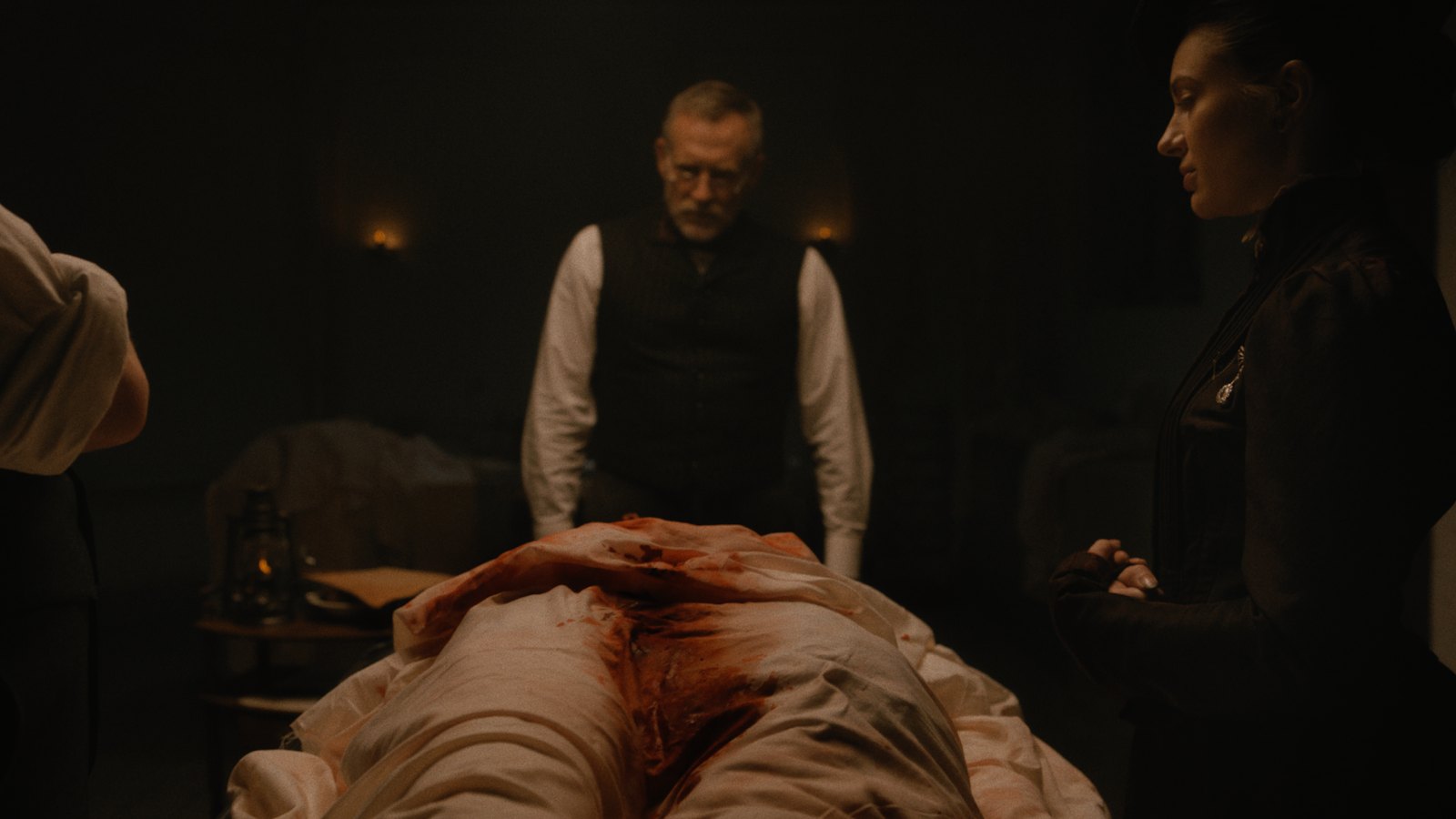
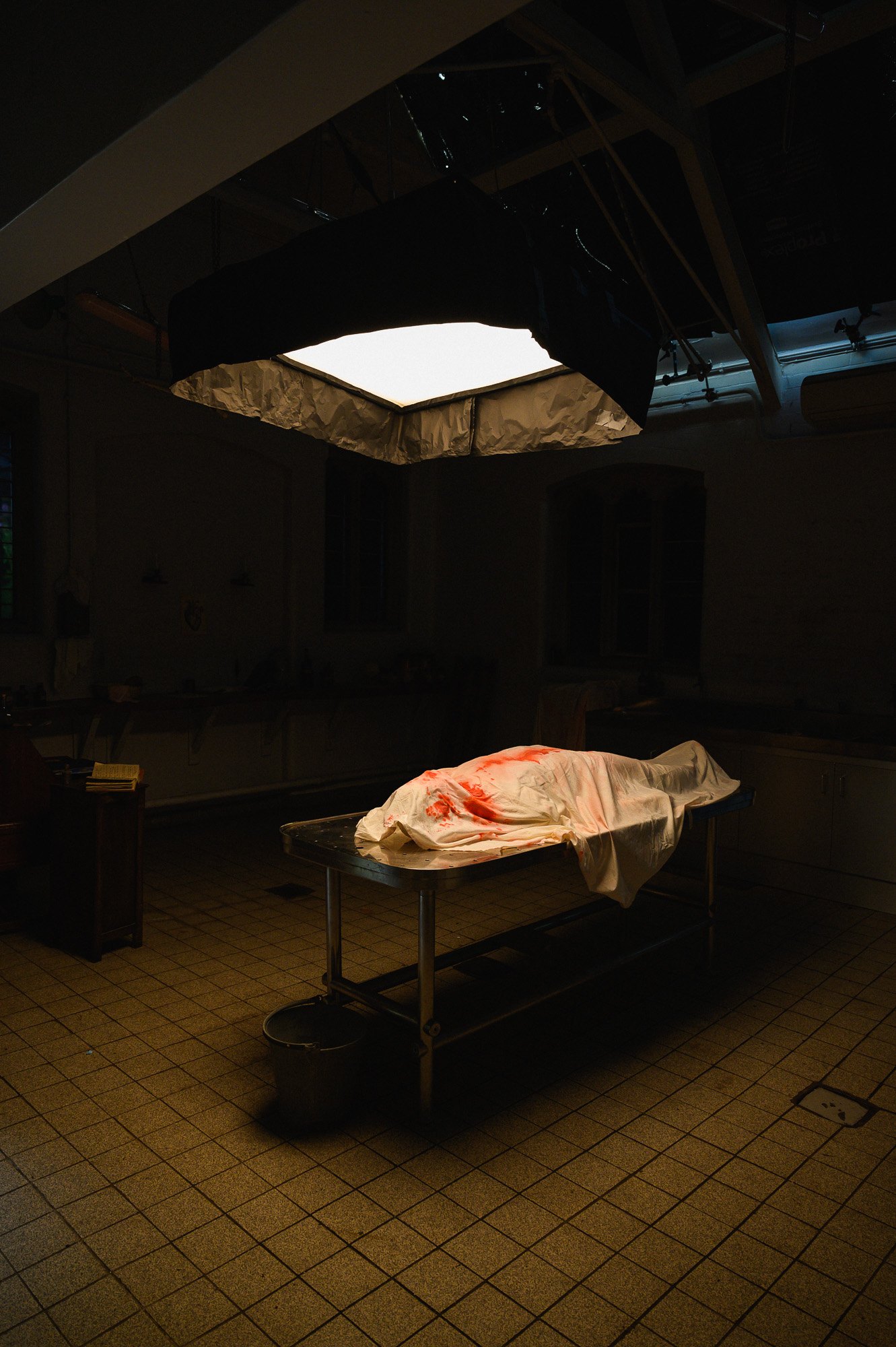
The film takes place in a single room, a mortuary, after the fourth murder. Mansell decided early on never to show the body, and to stay on the characters’ faces instead. Showing what the killer did to these women, he explains, would be doing exactly what the film is trying to challenge: glorifying the violence.
A woman who uses their names
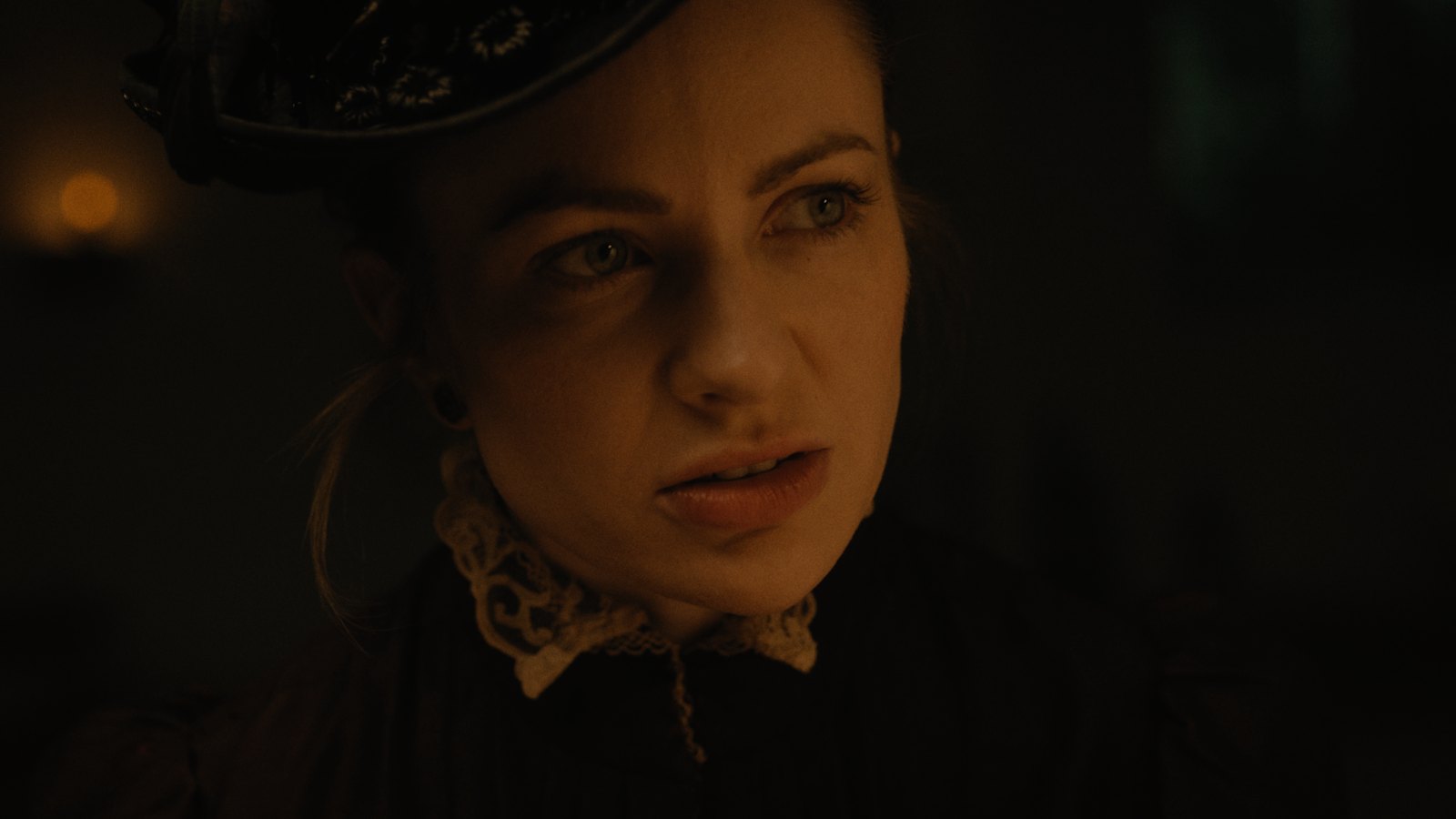
The key is Margaret Harkness, a real writer who lived in Whitechapel at the time. In the film she stands up to Arthur Conan Doyle and Professor Joseph Bell and refuses the detective’s fascination with solving the case. She always calls the women by their names and never calls them victims. Mansell, an admirer of Hallie Rubenhold’s book The Five, about the lives of the “canonical five”, likes to imagine that Margaret would have supported it.