When a video is louder than a victim: León Bejar Wasongarz on images and injustice
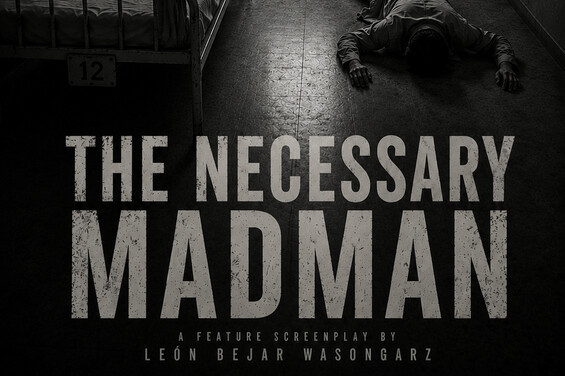
Why does an injustice so often have to become a media scandal before anyone investigates it? The question runs through The Necessary Madman (El loco necesario), a Spanish-language feature screenplay by Mexican writer León Bejar Wasongarz and a Finalist at NYC Films Infest 2026, and it is one of the most uncomfortable questions he asks.
A performance that turns into an accusation
In the screenplay, Dante, a patient at a psychiatric hospital in Mexico City, has run out of options to free his friend Caleb, a young autistic man who appears to have been wrongfully confined. So he uses the hospital’s own anniversary show. Patients juggle, recite poetry and dance; then Dante appears dressed as Dr. Gómez, the psychiatrist behind his confinement, and reenacts how Caleb was locked up. Some in the audience record it on their phones. The videos spread, a campaign called “Justice for Caleb” takes off, and an extraordinary medical review board is convened.
“Why can a vulnerable person’s words be ignored for so long, while a video shared on a massive scale can get institutions to start responding?”
The lesson of Presumed Guilty
Bejar’s reference is a Mexican documentary: Presunto culpable (Presumed Guilty), which used cameras to document the irregularities in José Antonio Zúñiga’s trial. When it reached theaters it sparked enormous controversy, and a court even suspended its exhibition for a time. For Bejar, it shows what images can do when they expose what has stayed hidden: they do not just tell us injustice exists, they make us see it.
He is careful about the limits. Something going viral, he says, does not make it true, and public opinion cannot replace justice. “But it can break the silence, raise questions, and generate social pressure that compels the facts to be established.”
Fiction as a way of asking how things ought to work
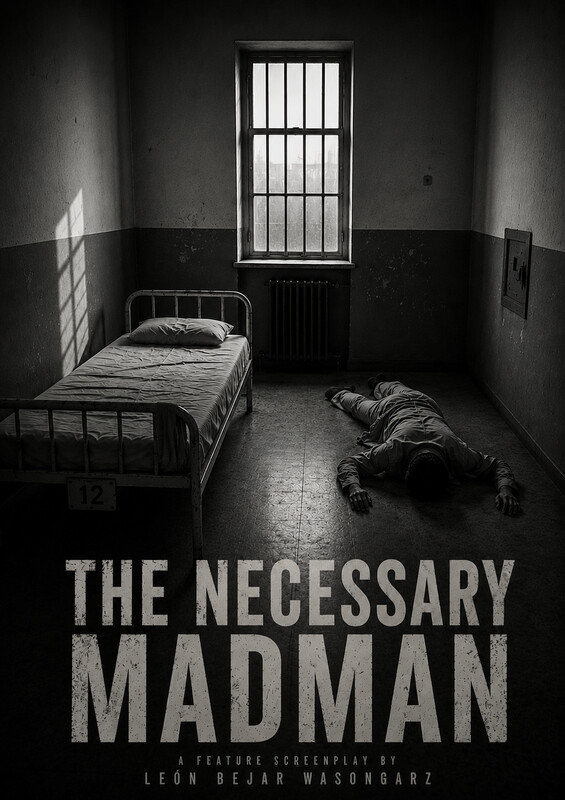
The review board at the end of his screenplay is, he admits, an act of imagination: a form of justice and redress he chose to invent because reality so often denies it. Fiction, in his view, lets us ask not only how things work, but how they ought to work. He would like the film to be “a kind of Presunto culpable told through fiction”.
“There are realities a society can ignore as long as they remain hidden. But once they’re finally right before our eyes, looking the other way becomes much harder.”


